
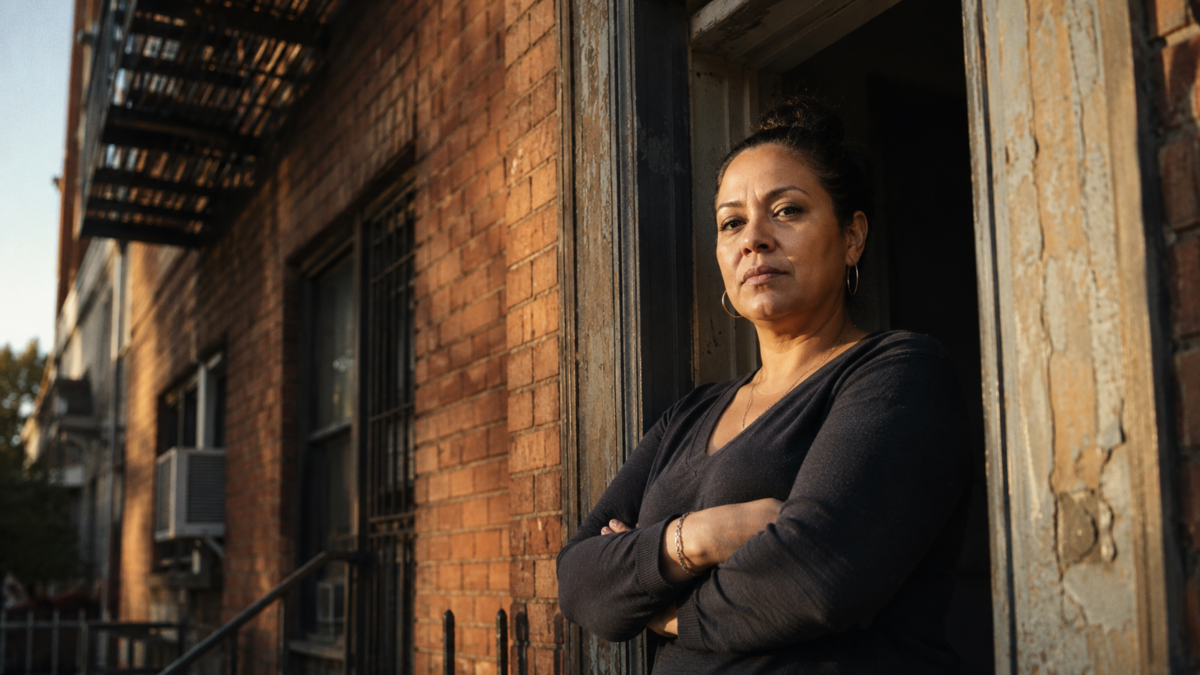
Renting in the Bronx: Why You Need to Know Your Rights
The Bronx is home to over 700,000 residents, and the vast majority are renters. That scale creates a specific reality: the Bronx Housing Court handles thousands of cases every year, and many of them involve landlords who push past the boundaries of what New York law allows.
If you’re renting in the Bronx (whether in Mott Haven, Tremont, Fordham, or any of the borough’s neighborhoods) you have legal protections. But knowing them and enforcing them are two different things. This guide walks you through the most common ways landlords break the law in the Bronx, how to recognize them, and when you need a tenant rights attorney in your corner.
The Most Common Landlord Violations in the Bronx
Landlords violate tenant rights in predictable ways. Some act out of ignorance; others know better and bank on tenants not fighting back. Here are the violations we see most often in Bronx Housing Court.
Illegal Lockouts: The Most Serious Violation
An illegal lockout happens when a landlord locks you out, removes your belongings, or makes your apartment uninhabitable without going through the court eviction process. It doesn’t matter if you owe rent or if the landlord claims you violated the lease. Under New York law, the only legal way to remove a tenant is through a Housing Court eviction case.
The governing statute is NYC Admin Code § 26-521, which makes illegal lockouts a criminal offense. Beyond that, under Real Property Law § 853, you can sue for damages for wrongful eviction. This is critical: if your landlord locks you out, you have not just a tenant rights issue, you have a legal remedy with real damages attached.
What does an illegal lockout look like in practice? Changing the locks, removing your belongings from the apartment, shutting off utilities, or posting someone at your door to prevent you from entering. Even if you haven’t paid rent, the landlord cannot do any of these things. They must go to Housing Court.
If this happens to you, document it immediately: take photos, get witness statements, and call a tenant rights attorney right away. The law is on your side, but you need to act quickly.
Housing Code Violations and Uninhabitable Conditions
Landlords in the Bronx are required to maintain apartments in habitable condition. This means heat in winter, hot water, working plumbing, no lead paint hazards, and no pest infestations that make the space unsafe. When a landlord ignores these obligations, you have options.
The first step is usually to file a complaint with the New York City Department of Housing Preservation and Development (HPD). You can do this online or by phone. HPD will send an inspector, and if violations are found, the landlord gets a violation order and must repair.
But HPD moves slowly, and waiting for heat in January is not practical. That’s where a Housing Part (HP) action comes in. In an HP action, you sue your landlord for breach of the implied warranty of habitability. If the court finds violations, it can order repairs, reduce your rent, or allow you to withhold rent into a court-held escrow account until repairs are made. Unlike self-help remedies, rent withholding through court order is legal and protects you from eviction for non-payment.
The Bronx Housing Court hears these cases regularly. If you file, the court can move faster than HPD, especially if the conditions are serious (no heat, no hot water, mold, or pest problems that affect health). An experienced attorney knows which violations move judges to act and how to present your case to maximize relief.
Tenant Harassment and Constructive Eviction
Harassment is when a landlord deliberately makes your living conditions unbearable to force you to leave. It can take many forms: repeated threats of eviction without legal cause, removing services you’re entitled to, entering your apartment without proper notice, or creating an intimidating atmosphere through aggressive behavior or threats.
New York recognizes a legal theory called constructive eviction: if conditions become so bad that a reasonable person couldn’t stay, you have the right to leave and stop paying rent. But constructive eviction requires strong evidence that the conditions were truly uninhabitable and that the landlord had notice and failed to repair.
Harassment claims are fact-intensive. You’ll need documentation: texts, emails, notices of entry, repair requests you sent in writing, photos of conditions, and ideally witness statements from neighbors. Bring all of this to an attorney before you take action, because leaving an apartment is a serious step with implications for your rental history and any security deposit dispute.
Tenant Rights Attorney in the Bronx: When to Call
You don’t need an attorney for every landlord-tenant dispute. A 311 complaint to HPD might solve a heat or water problem. But you absolutely need legal representation if:
- Your landlord has locked you out or threatened to do so
- You’ve received an eviction notice and want to fight it
- Your apartment has serious habitability issues and HPD hasn’t moved fast enough
- Your landlord is harassing you to force you to leave
- You want to file an HP action for repairs and rent adjustment
- You’re unsure whether your lease or your landlord’s actions are legal
The Bronx Housing Court is located in the Bronx County Courthouse at 851 Grand Concourse. Cases move through the system, and having an attorney who knows how the Bronx court operates (which judges, what documents they expect, how cases typically settle) can make the difference between losing your apartment and protecting your rights.
What to Expect in Bronx Housing Court
If your dispute goes to court, here’s what typically happens:
Eviction cases (landlord suing you): The landlord files a petition, you get a notice to appear, and you show up on the date listed. If you don’t appear, you lose automatically. At the hearing, the judge hears both sides. You can raise defenses like breach of the warranty of habitability, illegal lockout, or retaliatory eviction. If the judge rules in your favor, the case is dismissed. If not, you may have appeal options.
HP actions (you suing the landlord): You file a claim for housing code violations and breach of the warranty of habitability. The landlord gets served, appears in court, and the judge decides whether repairs are owed and whether rent should be reduced or held in escrow. These cases often settle before trial once both sides understand their legal positions.
Harassment and constructive eviction claims: These are more complex and usually require discovery (exchanging documents and evidence). They may not be fully resolved in Housing Court and could end up in civil court for damages.
The Bronx Housing Court system is busy. Cases can move slowly or quickly depending on the judge, the complexity of the issue, and whether you have representation. An attorney who practices in the Bronx regularly knows how to navigate this reality and what judges expect.
Document Everything
Whether you’re dealing with an illegal lockout, housing code violations, or harassment, documentation is your most powerful tool. Keep:
- Photos and videos of any violations or damage
- Copies of all written communication with your landlord (texts, emails, letters)
- Records of repair requests you’ve made and the landlord’s responses (or lack thereof)
- Copies of notices, including eviction notices and notices of entry
- A timeline of events with dates
- Witness statements from neighbors if harassment or conditions are involved
- Copies of your lease and any amendments or modifications
When you meet with an attorney, bring all of this. It will help them assess your case quickly and determine your best path forward.
Get Legal Help Today
If your landlord has broken the law, don’t wait. The longer you wait, the harder it becomes to prove what happened and the more risk you face of losing your apartment or your rights.
Contact The Law Office of Edwin Maria for a free case evaluation. We’ll review your situation, explain your rights under New York law, and help you decide whether to pursue an HPD complaint, file in Housing Court, or take another approach. The Bronx Housing Court is our home court, and we know how to fight for tenants there.
You have rights. Let’s protect them.
Disclaimer: The information provided in this blog post is for general informational purposes only and should not be construed as legal advice. Every case is unique. Past results do not guarantee future outcomes.