
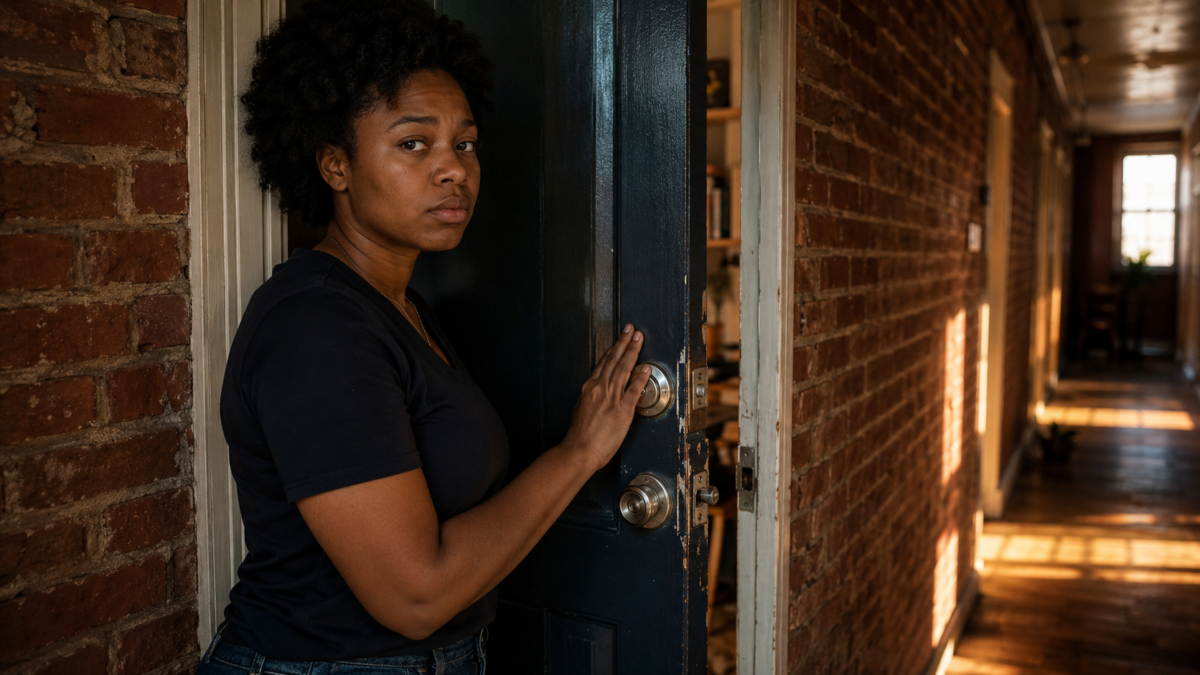
Imagine coming home from work to find your locks changed and your belongings inaccessible. Or you arrive at your apartment only to discover the landlord has removed your door or blocked your entry. For many Brooklyn tenants, this isn’t a hypothetical scenario, it’s their reality. What you may not know is that if your landlord locked you out without going through the legal eviction process, they’ve likely violated New York law in a serious way.
An illegal lockout is one of the most urgent housing law violations a tenant can face. It’s also one of the clearest violations because the remedy is straightforward: you have the right to immediate access to your home, and courts will enforce that right quickly. But you need to act fast and know exactly what steps to take.
This article covers what qualifies as an illegal lockout under New York law, what your rights are as a Brooklyn tenant, and how to get back into your home with the help of a tenant rights attorney.
What Is an Illegal Lockout Under New York Law?
New York law is unusually protective of tenants when it comes to lockouts. In fact, a lockout is illegal almost by definition.
Under New York Real Property Actions and Proceedings Law (RPAPL) Section 853, a landlord cannot recover possession of an apartment or put a tenant out unless the landlord obtains a judgment from a court and follows strict procedures. This isn’t optional. This isn’t negotiable. The law is clear: the only legal way for a landlord to remove a tenant is through a court-ordered eviction.
An illegal lockout occurs when a landlord changes or removes locks without a court order, removes windows or doors, turns off heat or water with intent to force you out, removes your belongings, padlocks or chains your door, or physically prevents you from entering your home by any means.
The key point: if your landlord did any of these things without going to Housing Court and getting a judgment, it’s illegal. Period. It doesn’t matter if you’re behind on rent, if there’s a lease dispute, or if the landlord claims you’re violating the lease. None of those reasons excuse a lockout.
New York courts have made this crystal clear. The principle is that a landlord cannot be a “self-help” actor. Even if the landlord has a legitimate legal reason to evict you, they must use the court system. They cannot take the law into their own hands.
Your Rights as a Brooklyn Tenant
The Right to Immediate Access
You have the unconditional right to access your home. If you’ve been locked out illegally, the law says you can force your way back in, and the landlord cannot call the police and have you arrested for trespassing (because it’s your legal residence). Some tenants break a window or door to regain access, and they have legal standing to do so. Of course, breaking in isn’t ideal, and it carries risk. That’s why going to court is the smarter move.
The Right to an Emergency Order
Brooklyn Housing Court can issue an emergency order in as little as 24 to 48 hours. This order directs the landlord to restore your access immediately. If the landlord violates this court order, they face contempt of court charges, which can result in fines and jail time.
The Right to Damages
Beyond just getting back into your home, you have the right to sue your landlord for damages caused by the illegal lockout. This can include actual damages for the cost of temporary housing while you were locked out, compensatory damages for emotional distress and inconvenience, punitive damages designed to punish the landlord for egregious conduct, and attorney’s fees and court costs in many cases. New York courts have awarded tenants tens of thousands of dollars for illegal lockouts.
What to Do if You’ve Been Locked Out
Step 1: Document Everything
Take photos and videos of the lockout. If there’s a changed lock, photograph it. If the door is barricaded, document that. If you have witnesses, get their names and phone numbers. Text yourself a timeline of events while they’re fresh. This evidence will be critical in court.
Step 2: Try to Contact Your Landlord
Send a written demand that you be given access immediately. Email is fine, but text or certified mail is better because it creates a record. Keep the communication professional and factual. Don’t threaten or use emotional language. Say something like: “As your tenant, I am demanding immediate access to my apartment at [address] as of [time/date]. If I do not receive access by [specific time], I will seek relief from the court.”
Step 3: Gather Your Important Documents
If you have them accessible, gather your lease, rental payment records, and any written communications with your landlord. These prove you’re a tenant with legal rights.
Step 4: Contact a Tenant Rights Attorney Immediately
This is the critical step. An attorney can file an emergency motion in Housing Court that same day or the next day. Don’t wait. Courts take illegal lockouts extremely seriously and will fast-track your case.
Filing an Emergency Motion in Housing Court
Brooklyn Housing Court is located at 141 Livingston Street in downtown Brooklyn. You can learn more about Brooklyn Housing Court procedures and locations before you go.
If you have an attorney, we can file an emergency motion for an order to restore possession of your apartment. Here’s what happens: the attorney files an “Order to Show Cause,” a legal document that tells the court the situation is an emergency and asks for an immediate hearing. You don’t need to wait for a regular court date. You can get a hearing within 24 to 48 hours, sometimes even the same day.
At the hearing, you’ll explain to the judge what happened. The landlord gets a chance to respond. In most cases, the judge will order the landlord to restore your access immediately. If the landlord doesn’t comply, the judge can hold them in contempt of court, which carries penalties including fines and jail time. The court may also order the landlord to provide you with a new key or otherwise ensure you have full access to your apartment, including any storage areas, parking spaces, or other areas included in your lease.
How a Tenant Rights Attorney Can Help You
An experienced attorney does more than just file paperwork. We understand that every hour you’re locked out is an hour you don’t have a home. We prioritize illegal lockout cases because they’re emergencies. We can file in court the same day you call us.
We know the judges in Brooklyn Housing Court. We know what evidence they need to see and how to present your case persuasively. We’ll examine whether there are aggravating factors, like the landlord cutting off heat or removing your belongings, that could support a larger damages claim.
Getting back into your apartment is just the first step. We’ll also pursue damages for the harm you’ve suffered. This is important because it deters future illegal lockouts and compensates you for the injury the landlord caused.
Once you’ve been locked out, you’re at risk of retaliation. The landlord might try to evict you on some other pretext. An attorney can document the illegal lockout and protect you against any retaliatory action under New York law, which explicitly prohibits landlords from retaliating against tenants who assert their legal rights.
Get Help From a Brooklyn Tenant Attorney
If you’ve been locked out of your Brooklyn apartment, don’t wait and don’t try to handle this alone. The longer you’re without access to your home, the harder it becomes. Courts are willing to act fast in these situations because they recognize how serious an illegal lockout is.
An attorney can ensure your case gets the urgent attention it deserves and that you recover the full remedies you’re entitled to under New York law. For more information about your rights as a tenant in Brooklyn and New York City, visit our Brooklyn tenant attorney page. To speak with us about your situation, contact us today.
Disclaimer: The information provided in this blog post is for general informational purposes only and should not be construed as legal advice. Every case is unique. Past results do not guarantee future outcomes.